How to Evaluate an Office Furniture Manufacturer
A large furniture order places several demands on a manufacturer at once. The team may need to coordinate different product categories, project-specific dimensions, finishes, drawings, samples, production schedules and deliveries across multiple rooms or sites.
A large furniture order places several demands on a manufacturer at once. The team may need to coordinate different product categories, project-specific dimensions, finishes, drawings, samples, production schedules and deliveries across multiple rooms or sites. A competitive quotation matters, but it cannot show by itself how the manufacturer will manage those requirements.
A structured review helps buyers assess evidence at each stage, from company and manufacturing scope through engineering, quality control and delivery. It also makes proposals easier to compare because every manufacturer responds to the same project information and verification criteria.
Gate 1: Verify Legal Entity, Manufacturing Scope and References
Begin with the company that will sign the contract and take responsibility for the order. Check that its legal name, registration details, business address, and payment information are consistent across the quotation, contract, and invoices. Confirm which entity operates the factory and whether production is performed directly, subcontracted, or divided between the two.
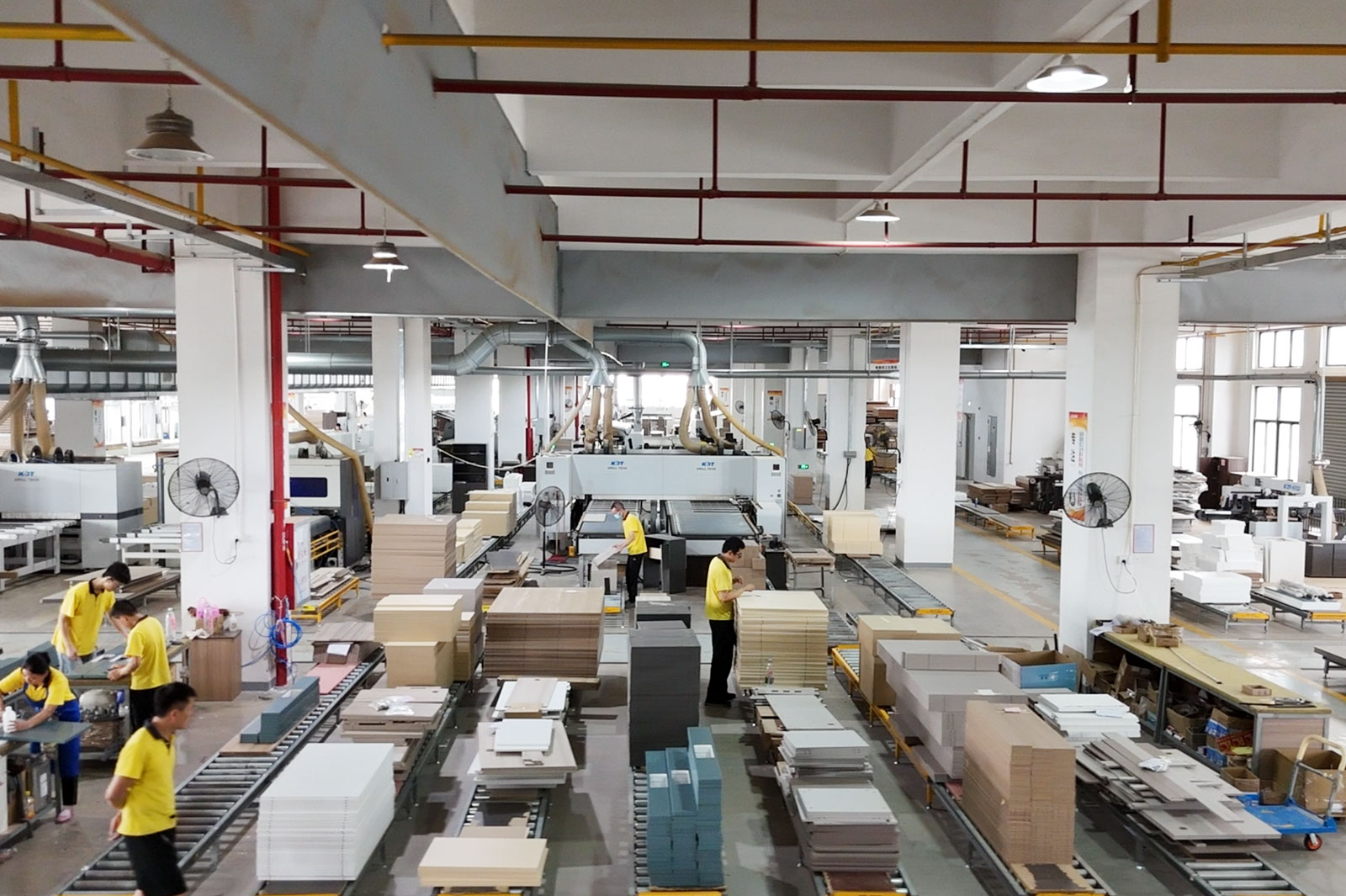
Then compare the manufacturer’s stated production scope with the products in your project. EGROspace’s published manufacturing and OEM/ODM capabilities describe production of melamine panels, office partitions, veneer finishes, and upholstered furniture, along with design consultation, prototyping, and production support. For any manufacturer, ask which processes it handles in-house and which depend on external partners.
References should match the order you are evaluating. Request examples involving similar product categories, customization, project scale, and delivery requirements. Ask what the manufacturer supplied and whether you can verify the reference with the client’s permission. Review certification documents directly, checking the issuing body, validity dates, and product or process scope rather than relying on a general certification statement.

Gate 2: Assess Engineering, Drawings and Specification Capability
Send the same floor plan and project brief to each manufacturer, then compare their responses. The drawing package should make the proposed furniture legible at room and product levels, with dimensions, quantities, finishes, components, and service interfaces clearly identified. For custom items, ask how design revisions will be shown and approved before production.
Review whether the specifications cover the details that affect coordination and installation: workstation sizes, panel arrangements, work surfaces, storage, cable routes, hardware and finish codes. For projects with workstation systems, EGROspace’s office cubicle configurations show how to consider panel arrangements, work surfaces, cable routing, and finishes together. The project drawings should translate those choices into a schedule the purchasing and installation teams can follow.
Clarify who owns each drawing and revision. Establish how comments are returned, how changes are recorded, and which approved version will govern production. Before sign-off, reconcile the drawings, product schedule, and quotation so that quantities, dimensions, finishes, and included components match across all three.

Gate 3: Review Samples, Mock-Ups and Change Control
Set the sample criteria before review begins. For each product, identify the finish, color, material, edge treatment, hardware, and dimensions that need approval. Compare samples with the written specification under agreed lighting, and record any accepted variation so later production checks have a clear reference.
A mock-up can test how selected components work together. For a workstation package, this may include the work surface, screens, storage, cable access, and connections between adjacent units. Review assembly, fit, access, and finish consistency, then record any required adjustments before the full order proceeds.
Changes after approval need the same level of control. Assign each drawing and sample approval a revision or date, and ask the manufacturer to document how a proposed change affects quantities, cost, and schedule. Production should follow the latest approved specification, with designated project contacts recording and authorizing changes. This creates a traceable handoff from sample review to manufacturing the order.
Gate 4: Review QA, Traceability, Capacity and Production Release
Ask the manufacturer to show how they check quality from incoming materials through production and final inspection. Review the inspection points, acceptance criteria, and records that will apply to the furniture in your order. For products with multiple finishes or components, confirm how approved materials and specifications will be matched to each item.
Traceability matters when a defect or discrepancy appears. Establish how the manufacturer records material batches, production lots, inspection results, and corrective actions. Agree how issues will be reported, who will investigate them, and what evidence will be provided when they are closed.
Assess capacity against your project schedule and product mix. The EGROspace case studies can help you review published project examples and compare their scope with your own requirements. For your order, request a production plan showing how the required materials, labor, and manufacturing steps fit the proposed schedule, including work assigned to external partners.
Before production release, reconcile the purchase order, approved drawings, specifications, samples, and change records. Confirm that open decisions are resolved and that the production team has the current approved documents. This release point gives both sides a clear baseline for manufacturing and inspection.
Gate 5: Review Inspection, Packaging, Delivery and Issue Closure
Before shipment, agree on the inspection scope and release criteria. For a multi-category order, identify which items require full inspection and which can be checked by an agreed sampling plan. The inspection record should link each finding to the relevant item number, drawing revision, and purchase-order line, so discrepancies can be resolved against the approved project documents.
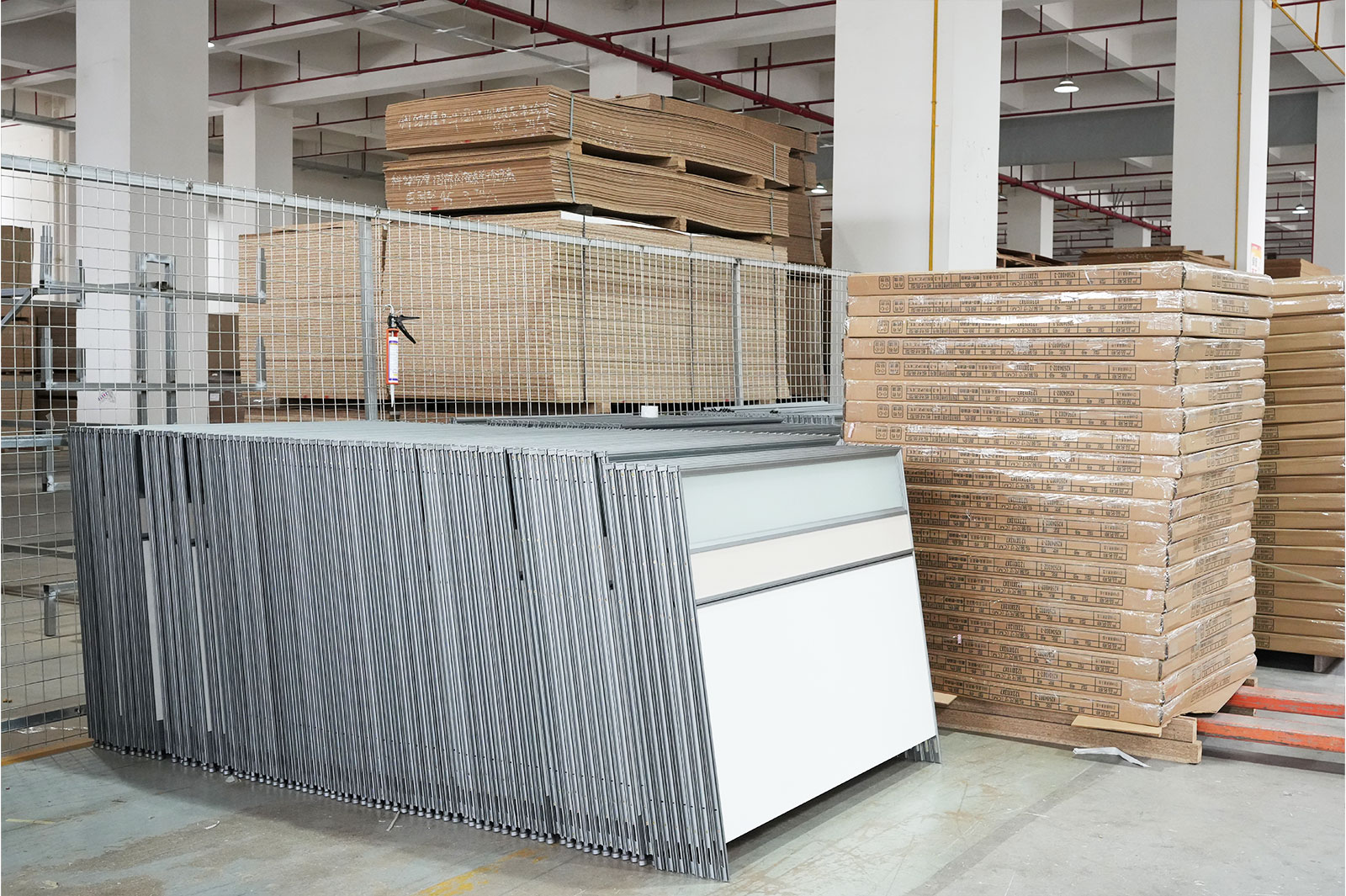
Packaging should reflect the actual delivery and installation sequence. Confirm protection for finished surfaces, glass, edges, and hardware, then check that package labels identify the product, quantity, and destination room or area. If the order will arrive in phases, align the packing list with the delivery schedule so each shipment can be received and installed without searching across unrelated cartons.
At receipt, compare delivered quantities and visible condition with the packing list, and record damage or shortages before distributing the goods across the site. Assign each issue an owner and resolution date, then verify the corrective action against the original requirement before closing it. This creates a clear handover from factory release to site acceptance.
Gate 6: Supplier Scorecard and Red Flags
Score each manufacturer against the same project brief, using evidence rather than presentation quality or price alone. A simple five-point scale works: 1 means no usable evidence, 3 means partial evidence or unresolved conditions, and 5 means verified, project-specific evidence.
|
Evaluation area |
Weight |
Evidence to review |
|
Legal entity and manufacturing scope |
15% |
Consistent contracting entity, clear production responsibilities and relevant references |
|
Engineering and specification control |
20% |
Coordinated drawings, complete specifications and documented revision ownership |
|
Samples and change control |
15% |
Approved reference samples, mock-up findings and a clear authorization process for changes |
|
Quality and production readiness |
20% |
Inspection records, issue handling, traceability and a schedule tied to the order’s product mix |
|
Inspection, packaging and delivery |
15% |
Defined release criteria, package identification, delivery sequence and site responsibilities |
|
Communication and issue closure |
15% |
Named project contacts, response process, action owners and documented closure of discrepancies |
Calculate the weighted result, but set pass-or-fail requirements separately. A high overall score should not offset failure to verify the contracting entity, a mandatory compliance requirement, a critical technical specification, or the project's required production window.
Investigate inconsistencies between the quotation, drawings and approved samples; unclear subcontracting; unexplained substitutions; certificates whose scope does not cover the proposed products; and schedules unsupported by material or production planning. These are not automatic conclusions about a manufacturer, but they require documented clarification before awarding the order.
Conclusion
A large furniture order needs more than a competitive quotation. Assess the manufacturer against the project’s legal, technical, production, and delivery requirements, and support each decision with documents that match the current specification. A weighted scorecard can make proposals easier to compare, while separate pass-or-fail requirements keep critical gaps visible.
Share your floor plan, product schedule, customization requirements, and target delivery date with EGROspace to discuss the project scope and layout.